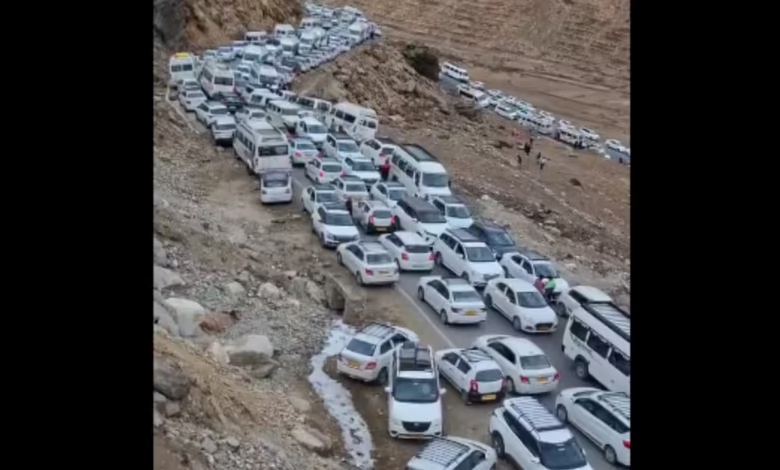
A video showing a long traffic jam at Rohtang Pass in Himachal Pradesh has gone viral, sparking fresh debate across India about air pollution, environmental stress, and the rush to escape toxic city air. In a year when Delhi and the NCR have been blanketed with heavy smog and poor air quality, many residents are choosing to drive to the mountains in search of cleaner, cooler air — but that escape has come with its own unexpected problems.
Rohtang Pass, a high mountain pass on the Leh–Manali Highway in the eastern Pir Panjal range of the Himalayas, is usually known for spectacular views and snow-covered slopes during the peak tourist season. It lies on one of the main routes connecting Manali with the high-altitude regions beyond, and it is a popular destination for people from across India seeking respite from city life.
However, this winter the situation looks very different. Despite the fact that it is not officially the peak tourism season, and there has been little snow or formal holiday period yet, videos showing hundreds of vehicles stuck bumper-to-bumper near the pass started circulating widely on social media. Many motorists appear to have driven northward simply to escape the terrible air quality in the plains, particularly in Delhi-NCR, where the Air Quality Index (AQI) has frequently been in the “very poor” or worse category.
The viral clip captioned, “Escape from toxic AQI or what?” reflects the surprise of many observers: this jam is occurring on roads that are typically busy only during specific tourist rushes, not in early winter without holidays or snowfall. The unexpected congestion has sparked discussion not just about pollution, but about whether hill areas are prepared for such sudden surges in visitors and whether the fragile mountain environment can handle it.
Many people on social media reacted to the footage with humour, concern, and criticism. Some joked that residents treat Rohtang Pass like “the last level of Earth” they can reach for fresh air. Others warned that heavy traffic in these sensitive ecological zones could harm the very environment people are trying to escape to.
The larger context behind this unusual traffic phenomenon is an air pollution crisis affecting major cities across northern India. Delhi often faces severe smog problems each winter due to a combination of vehicle emissions, industrial pollution, crop burning in neighbouring regions, and stagnant weather conditions. These factors frequently push the AQI into dangerous categories, with hospitals reporting more breathing and heart-related complaints.
Faced with days of hazy skies and reports of rising asthma and respiratory issues, numerous families, workers, and tourists have decided to temporarily head to the hills. Not just Delhi residents — people from nearby regions with similarly unhealthy air are also making the long journey north. But the result, as the viral video shows, is that roads like the one to Rohtang Pass can become severely congested even without snow, holidays, or festive travel prompts.
This trend raises fresh questions for environmentalists and policymakers. Mountain regions like Himachal Pradesh are ecologically fragile, and overtourism — where too many visitors strain local infrastructure and nature — can lead to soil erosion, waste management problems, and even increased local pollution. A mass migration triggered by air quality issues could further stress local resources and risk altering delicate ecosystems.
At the same time, the situation highlights the lengths to which people are willing to go to find basic environmental comfort — clean air. For many, escaping the toxic smog of the plains is seen as necessary for their health, even if only temporarily. That reality puts pressure on urban administrators to address pollution at its root rather than only its symptoms.
In response to this severe winter pollution, authorities in various cities have tried measures such as vehicle restrictions, increased monitoring, mist sprayers, and public health advisories. But many residents remain sceptical about the long-term effectiveness of such solutions, emphasizing that without major shifts in emissions policies and enforcement, dangerous AQI levels will keep recurring.
The viral traffic jam at Rohtang Pass is not just an oddity or a funny clip on social media — it is a symptom of a deeper environmental and public health crisis affecting millions. It reflects how climate, pollution, and human behaviour intersect in complex ways, forcing people to reconsider where they live, work, and spend their leisure time.
As winter deepens, the coming weeks will likely show whether this pattern continues or whether authorities are able to balance tourist flows and environmental protection in the hills. For now, the image of crowded cars at Rohtang Pass remains a striking example of how India’s citizens are reacting to one of the most persistent and urgent challenges of our times.